
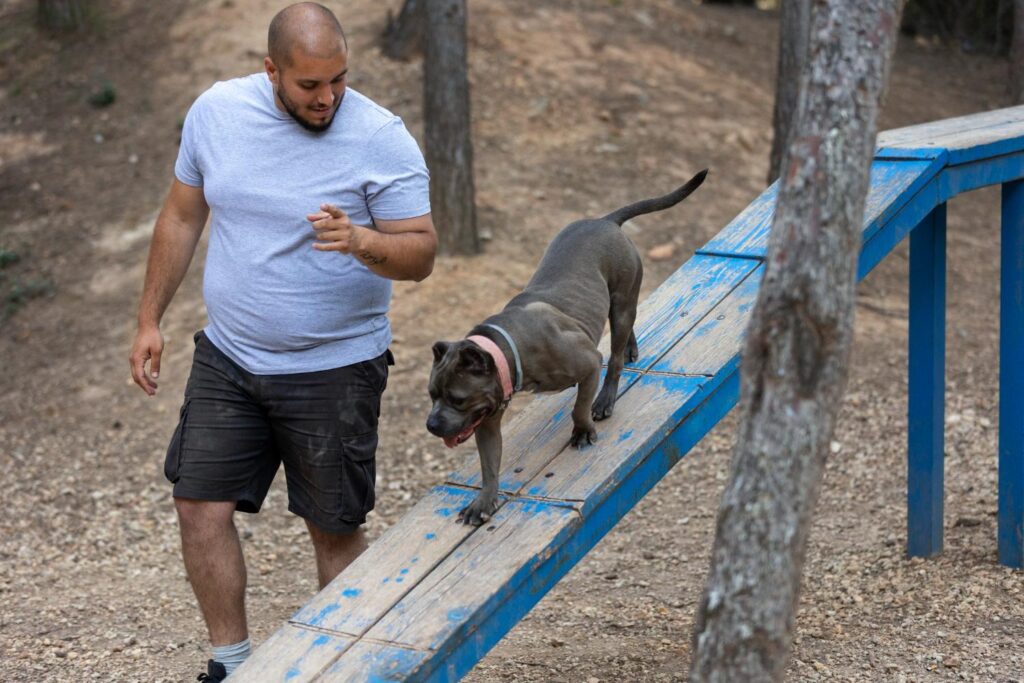
The first few months with a puppy can be equal parts joy and frustration: shredded slippers, midnight barking, and endless puddles on the kitchen floor. Many owners jump straight to Google for quick fixes, but puppies are individuals, not templates. What works for one won’t always work for another. This is why private puppy training often delivers results where group classes fail. It focuses on your dog, your home, and your lifestyle — no generic checklists.
1. Understanding the “Why” Before Correcting the “How”
One of the biggest mistakes owners make is trying to stop behaviours without first understanding why they happen. A private trainer studies your puppy’s triggers: is the constant barking from fear, overexcitement, or territorial instinct? Once the cause is clear, the correction becomes precise and effective. Without this, you may only mask the behaviour temporarily.
2. Becoming the Calm Leader Your Puppy Needs
Here’s something many owners overlook: puppies read your body language long before they respond to commands. Private training focuses heavily on subtle, non-verbal cues like posture, tone, and eye contact. These small changes influence behaviour far more than treats alone, helping you build authority without stress or shouting.
3. Stopping Small Problems Before They Become Big Ones
That cute little nip today? It can turn into full-blown resource guarding tomorrow. The constant whining might later develop into separation anxiety. Private trainers spot these early signs quickly, setting up boundaries and routines before the issues become embedded. It saves months — sometimes years — of frustration down the line.
4. Building Confidence Without Overload
Not all puppies thrive in group settings. Some freeze up in noisy environments, while others get overstimulated and learn to tune everything out. In puppy training private sessions, trainers match exercises to your dog’s temperament, gradually introducing challenges at a pace your puppy can handle.
5. Training That Works in Your World
Life in a quiet suburb looks different from a busy London flat, and your training should reflect that. Private sessions adapt techniques to your surroundings, your daily routine, and even your neighbourhood’s distractions, ensuring what you learn is practical, not theoretical.
6. A Happier Home for Everyone
In the end, the transformation isn’t only in your puppy’s behaviour; it’s in the balance of your household. Fewer accidents, less chaos, better communication — and a stronger bond with your dog. That’s the power of private puppy training, tailored to you rather than a one-size-fits-all approach.